
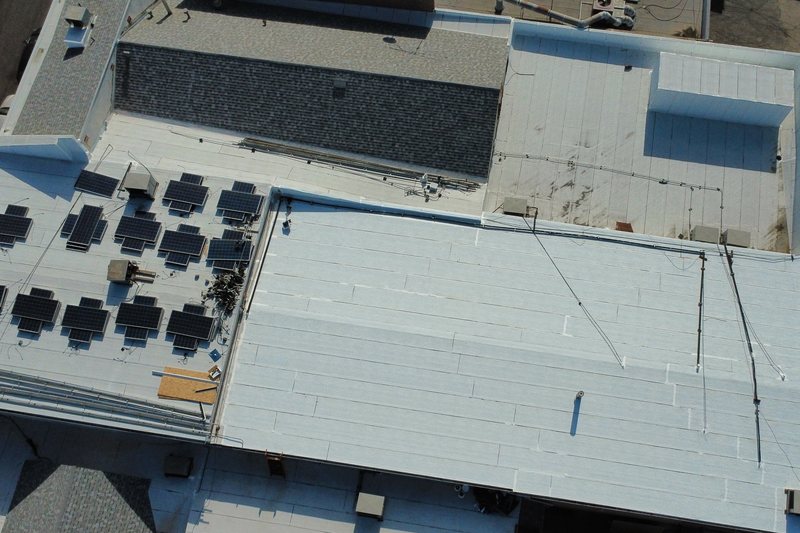
Asphalt and composition shingles in Culver City, CA
Asphalt Shingle Roof Repair and Replacement
A shingle roof can lose a few tabs in one isolated spot. Another roof has lost its granules across whole planes, and that job is a different one. Start with what the existing roof shows, then choose between a targeted repair and a full replacement.
A targeted repair handles isolated damage such as lifted tabs, a failed flashing joint, or one leaking valley. Full replacement fits a roof that has lost granules down to the mat across whole planes. The condition of the existing shingles decides which path you take.
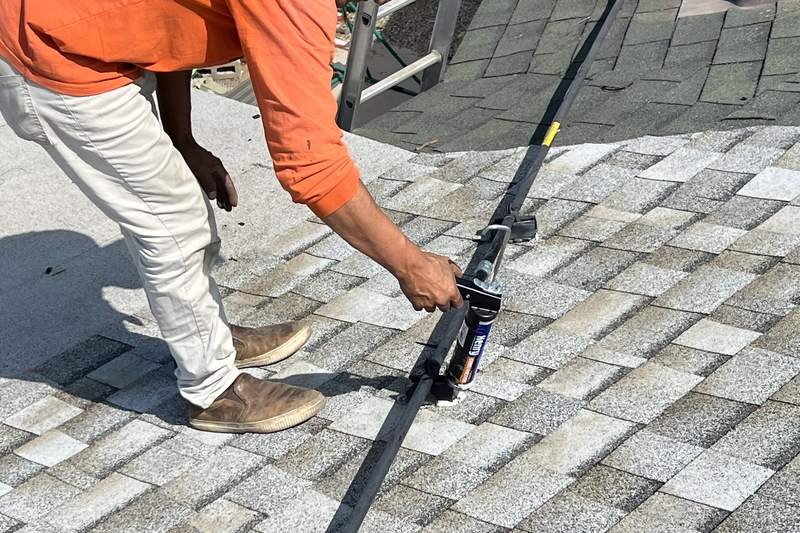
Repair or full replacement on an asphalt shingle roof
Composition shingle is the common name for the same asphalt product, so estimates may use either term. Check which term each written scope uses before you compare two estimates.
A repair works course by course, so we remove the damaged tabs and tie new shingles into the flashing. A replacement strips everything back to the underlayment and rebuilds every course across the roof. How we scope a shingle repair starts at the leak, not the shingle.
We price shingle work off roof size, pitch, stories, layer count, and the condition beneath the covering. Those drivers move the number far more than the shingle color you eventually select.
We measure shingle work in squares, and one square covers one hundred square feet of roof surface. A small plane still carries the same setup, staging, and disposal steps as a larger one. So the price of a small repair rarely matches the size of the damaged area.
These are the signs that point one way or the other.
- Isolated leaks near a chimney, a vent, or a wall transition
- Shingles blew off in wind, but the decking underneath is still sound
- Granule loss and cracking have spread across several roof planes
- One spot has needed repair more than once
- Flashing at a wall or a chimney shows rust or lifted metal
- Bare mat shows through where the granules have washed off
Assembly check
The existing assembly decides the repair path
We examine the existing assembly before writing any scope. One sound layer over dry sheathing often accepts a clean patch, while soft sheathing pushes the job wider. Stacked layers and corroded flashing widen it too, so flashing age matters as much as deck condition.
We check the deck, meaning the wood sheathing under the shingles, at every spot we open. Wet or spongy sheathing comes out before we install any new shingle course above it.
An added layer changes how fasteners hold and how flat the finished surface sits. Some replacements strip everything down to the decking, and others leave a sound layer in place. Your paperwork has to say which approach the project uses.
Rot in the decking drives most of the surprises on a shingle job. We show you the damaged boards before we price the additional work. A deck allowance in the written scope sets that price before we find the rot.
We can often size a shingle job from satellite imagery and the details you give us. That keeps the first conversation on scope and price instead of scheduling. Ask what other information we need before we put a number on your roof.
A patch works only when the new shingles match the profile and thickness beside them. Course lines and exposure have to line up as well, or the repair shows from the street.
- Photograph the leak inside and outside before the repair covers it.
- Ask how many shingle layers currently sit on that roof.
- Have us check the deck for soft spots at every opening we make.
- Get the flashing, ventilation, and underlayment details in writing.
- Ask what happens if we discover rot under the original shingles.
- Keep the layer count and the deck notes with your written estimate.
Put your shingle and underlayment choices in the written scope
Shingle profile, color, underlayment type, fastener pattern, and starter and ridge details all change the finished roof. Put each of those choices in writing before we open the deck. Written selections also let you compare two proposals on the same terms.
Three-tab and architectural shingles look different and install differently, so specify which profile you want. Underlayment is the water-resistant sheet between the deck and the shingles. Name that product in the scope as carefully as the shingle.
Ventilation parts, drip edge, and valley treatment often sit in the fine print of a proposal. Read those lines, because they decide how the roof handles rain at its edges and seams.
Starter course and ridge cap use different shingles than the field. Ask which products the written scope names for those two lines. Nail count and placement belong there as well, because fasteners hold the roof through wind.
Underlayment carries the water once wind drives rain past the tabs or a shingle lifts. Homeowners here ask about it by name, so we identify the product and the layer count in writing.
Valley treatment changes how two slopes send water into one channel and out to the edge. Metal in the valley and woven shingles handle that junction differently, so name the method.
Two proposals at a similar price can hide different underlayment, flashing, and ventilation choices. Line the selections up side by side before you sign anything. What a full replacement scope should list makes that comparison easier.
Ask for product names in the scope, not only a brand family or a color group. That way the material on the truck matches what you signed.
Tear-off
Replacing an existing asphalt shingle roof
A full shingle replacement strips the old covering down to the wood deck below. We examine the sheathing, then rebuild the surface layer by layer in a set order. Drip edge, underlayment, starter course, field shingles, and ridge cap all go on in sequence.
Tear-off makes the deck visible for the first time in decades. We look at every sheet before the new roof goes on. We replace the boards that failed and leave the sound material in place.
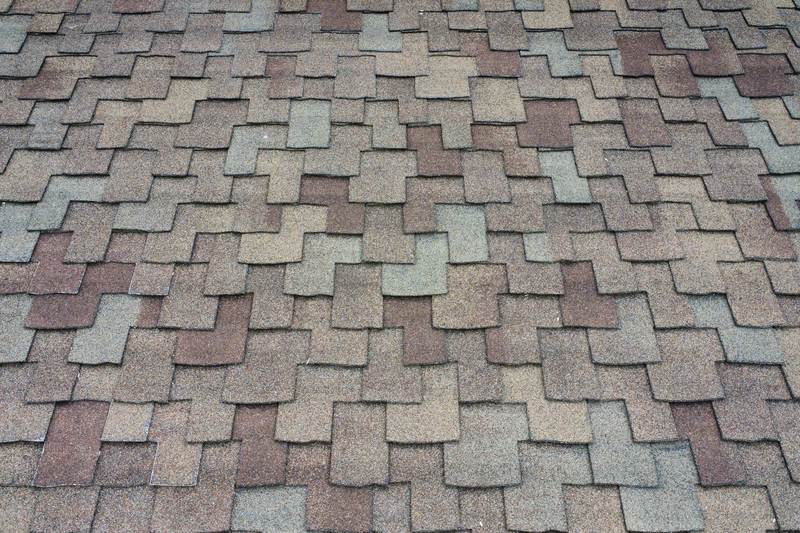
Old shingles leave the property as waste, and that load carries a genuine cost. Layer count and roof size determine how big that load is. Ask how the scope handles debris, disposal, and daily cleanup.
A tear-off puts the entire roof in motion at once, so ask how we protect the ground. Plants, driveways, and rooftop equipment all sit inside the working area. Roofing an occupied house means planning that protection before the first bundle lands.
Weather sets the pace on a re-roof, since an open deck cannot wait out a winter storm. We plan shingle replacements around the rain season, so ask what the plan covers if the forecast turns.
A replacement resets the whole surface, so the layers underneath matter more than the color. Underlayment, flashing, and ventilation parts all go on while the deck sits open.
Ask for the sequence in writing, with the deck allowance and the material list beside it. Then the scope you signed is the scope we work from.
Confirm ventilation, flashing, and permit details
Flashing seals the joints where the roof meets a wall or a chimney. Vent placement and flashing detail decide how the finished shingle roof performs in rain. Settle the ventilation plan and the permit question together, because a re-roof and a small patch may differ.
Find out which intake and exhaust vents the scope includes and where we position them. Written vent details tell you what goes on the roof before the shingles cover it.
Intake vents sit low at the eave, and exhaust vents sit high near the ridge. Air moves between them and carries heat and moisture out of the space under the roof.
Flashing failures cause more shingle leaks than the shingles themselves ever do. Chimneys, wall transitions, and valleys collect water, so ask which flashings the scope replaces.
Check the current City rules once you have the written scope in hand. The list of projects that need a Building Safety permit shows where a re-roof falls.
We help property owners pull permits for applicable work. The City sets what each address needs for a permit. Ask us what your own project scope requires.
Call (424) 672-3864 and tell us what the shingles show. The roofing estimate itself is free, and it covers both scope and price. A detailed inspection report with photographs is a separate paid service.
Our contact form takes written details, so describe the roof in your own words and give the address. A call still moves faster when the details become complicated.
Frequently asked questions
Can individual asphalt shingles be repaired?
Yes. We remove the damaged tabs and tie new shingles into the flashing beside them. The patch has to match the profile, thickness, course lines and exposure, or it shows from the street.
What changes an asphalt replacement estimate?
Roof size, pitch, stories and the number of existing layers move the number most. Soft or rotted sheathing found at an opening widens the job, so the scope carries a deck allowance. Corroded flashing widens it too.
What belongs in an asphalt roofing scope?
Name the shingle profile and color, the underlayment product, the fastener pattern, and the starter and ridge shingles. Add the drip edge, the ventilation parts and the valley method. Written selections let you line two proposals up on the same terms.
Local roofing contact
Culver City Roofing Contractors
Culver City Roofing Contractors
Culver City, CA
(424) 672-3864
Open daily from 8 AM to 8 PM.