
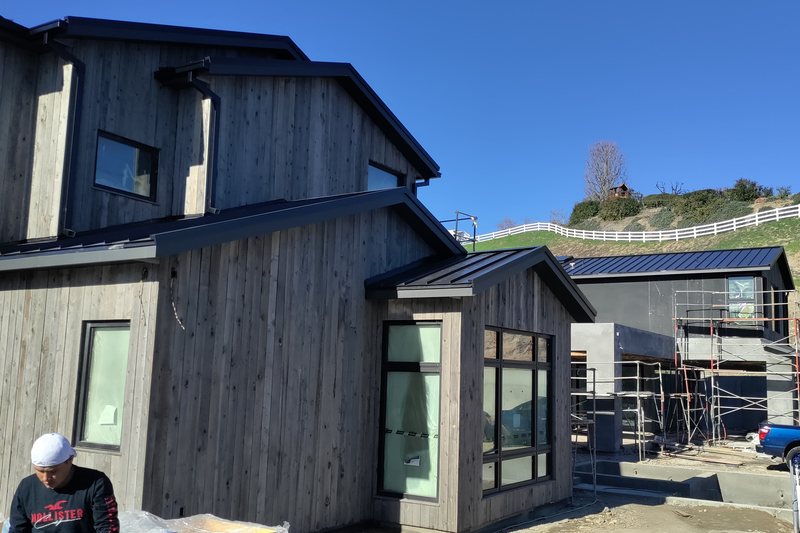
Home roofing, Culver City, CA
Residential Roofing Services in Culver City, CA
Start a home roofing project with the roof you already have. What you find inside and along the edges shows whether one area needs attention or the entire roof does. A brand-new building starts from the plans instead.
Walk through the house first and mark every ceiling or wall stain you find. Then study the roof from the ground for lifted pieces, sagging rooflines and flashing pulled off a wall or chimney. Those notes show whether your roof needs a focused repair or a complete replacement.
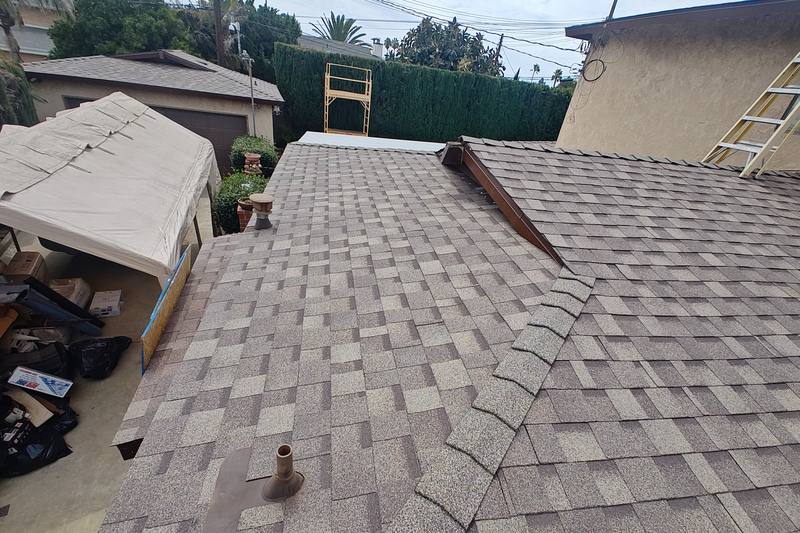
Start with the roof's condition
A roof rarely fails everywhere at the same time. One valley or a single wind-damaged slope often explains the water appearing inside the house.
Take dated photographs while the stain is still fresh. Those pictures point us toward one exact spot on the roof surface. We ask about the same details when you call.
More people call us about a leak than any other roofing problem. Flashing at walls, chimneys, and valleys remains a leading source of those leaks. That metal seals the joints where two surfaces meet.
Heavy rain here lands inside a narrow winter window. A slow problem can sit unnoticed through the dry months. The first serious storm usually turns it into a phone call.
Stay on the ground for all of this, and look from an upstairs window, the driveway, or the sidewalk. Write the notes down even after the ceiling dries out again.
Every roof fails in its own way, so what you notice matters more than any general rule. Those notes shape the first conversation we have.
- Check ceilings and upper walls for fresh staining within a day of rain.
- Examine the roof edge for lifted shingles and separated flashing.
- Find a clear view of the gutters and note where water spills over the edge.
- Photograph every location and record the date you first noticed it.
- Note the direction each damaged slope faces.
- Have any earlier roofing paperwork nearby before you call us.
When a focused repair may be enough
A focused repair fits when the damage stays inside one area and the rest of the roof performs well. Leaks at flashing, a cracked tile, a short run of missing shingles, or a failed seam usually qualify. We confirm where the damage stops before we quote any repair.
Repairs perform best when the failure has a clearly defined edge. We open that area, correct the detail, then close everything back into the existing surface. How we scope a roof repair starts with finding that edge.
Water appearing in a different place each season points beyond a single repair. When several areas fail together, ask us about a complete replacement instead.
On a tile roof, the tile usually outlasts the underlayment, the waterproof layer beneath it. We lift the tile in sections, replace that underlayment, and restack the original tile. That work costs less than a complete tile replacement.
Rot in the wood decking is the most common change order on a roofing job. We only see that condition once the covering comes off. A repair price can move when the deck underneath is soft.
We take small repairs too, so ask for a free estimate and we will explain what that area needs. We would rather repair one flashing joint than watch the damage spread.
Ask what the repair covers before work begins. The answer should name the area, the detail we correct, and whatever stays untouched. It should also name the materials we plan to use.
Whole-roof signs
When full replacement deserves an estimate
Ask for a replacement estimate once the whole roof starts failing slope by slope. Brittle shingles, repairs that keep moving to a new spot and broken tile across several sections all point that way. We measure the roof and describe the system before we price the work.
A replacement estimate should describe the actual roof you own. We often begin from satellite measurements and the details you provide on the phone.
Cost is the first question most callers ask us. We answer with the things that actually move the number, because a price with no roof behind it means nothing.
Roof size drives the estimate, along with the pitch and the number of stories. Existing layers on the deck matter, and so does rot hidden underneath. Tile adds labor, because it comes off the roof and then returns.
Ask what happens to the layers already covering your deck. A tear-off removes everything down to the decking, then rebuilds from there. That decision changes both the work and the final price.
A replacement estimate should also cover the valleys and the penetrations. Penetrations are the pipes and vents that pass through the roof surface. Those are the spots where a new roof leaks first when nobody details them.
Permits come up in almost every replacement conversation, and for applicable work we help property owners pull them.
- Count the slopes that show wear, and record which direction they face
- List the separate leak spots that opened in one rainy season
- Add up what earlier repairs cost, and how long each one held
- Decide how long you plan to keep the building
- Record the roof's age if the original paperwork still exists
Materials for an existing home
Asphalt shingles, tile, metal, and flat membranes cover most house roofs here. Your existing surface decides much of it, along with the pitch and the appearance you want. Ask us to compare two or three materials, so the written estimate names one real system.
Material questions get simpler once we know the pitch and the measurements. A roof already finished in tile raises different questions, and our tile roofing page covers them.
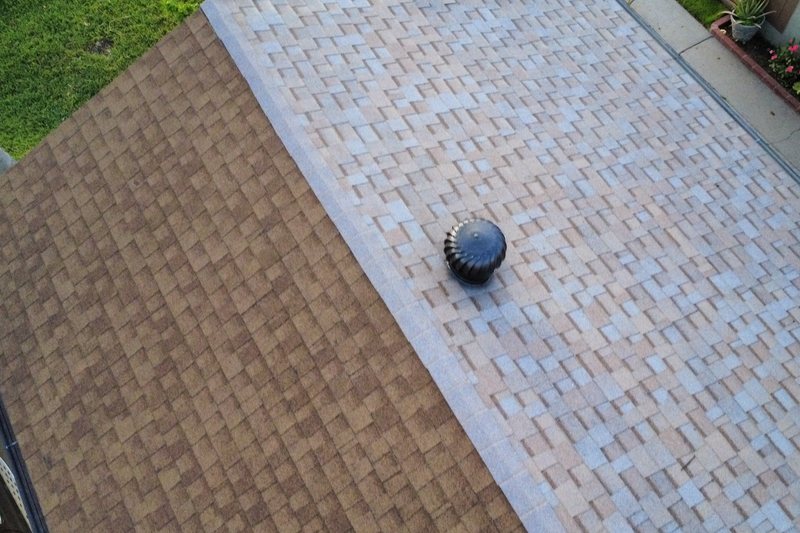
Asphalt shingles suit most sloped houses around Culver City. The work ranges from a shingle patch to a complete tear-off and re-roof. Appearance and price both shift with the shingle you choose.
Tile lasts a long time, so the real question is the underlayment below it. We work with clay, concrete, and slate tile, and in many cases the original tile returns to the roof.
Standing-seam metal panels use concealed fasteners, while flat and low-slope areas take a torch-down cap sheet. Each system answers a different question about slope and drainage.
Write down whatever matters most to you before the material conversation. Appearance and maintenance belong on that list, along with the view from the street.
Two houses on the same block can need different systems. The pitch, the current covering, and the drainage all differ from property to property. Ask us which systems fit your pitch, and why.
Building new
New construction is a different roofing decision
New construction starts with plans and a bare deck, so the roof design comes first. You choose slope, drainage and material before anything reaches the deck, and we work from those drawings and site conditions. Call with the plan set in front of you, or send the details through the form.
An addition or a rebuild reaches the roofing stage at a specific point in the schedule. Calling early keeps the roof decision from holding up the rest of the build.
Share the plans and any material you already selected. With those details, we can discuss the actual roof you intend to build.
We also take new construction work from a general contractor. Plans, a defined scope, and an approximate schedule are enough to begin the conversation. Our roof installation page walks through how a new roof goes on from the plans up.
The form stays short and takes text only. Calling works better when you want to walk through the drawings together.
A roof on a new house is not the same project as replacing an old one. On a new build we start from the drawings, not from an old roof we have to strip. Replacing an existing house roof begins with the tear-off instead.
New roofs on new decks still need the same details at valleys and edges. Ask early about the flashing plan, because those transitions decide how the roof performs.
New-build estimates are free, so call when the plan set is ready and we will start there.
Frequently asked questions
Can part of a residential roof be repaired?
Yes, when the failure has a clear edge and the rest of the roof still performs. We open that area, correct the detail, then close it back into the existing surface. Water appearing somewhere new each season points past a single repair.
What factors point toward full replacement?
Count the slopes showing wear and the separate leaks that opened in one rainy season. Weigh what earlier repairs cost, how long each held, and how long you plan to keep the building. Roof age helps too, if the original paperwork still exists.
How should homeowners compare roof materials?
Start from the pitch, the current covering and the measurements, since those settle much of it. Then weigh appearance, maintenance and the view from the street against two or three real options. Ask us which systems fit your pitch, and why.
Local roofing contact
Culver City Roofing Contractors
Culver City Roofing Contractors
Culver City, CA
(424) 672-3864
Open daily from 8 AM to 8 PM.