
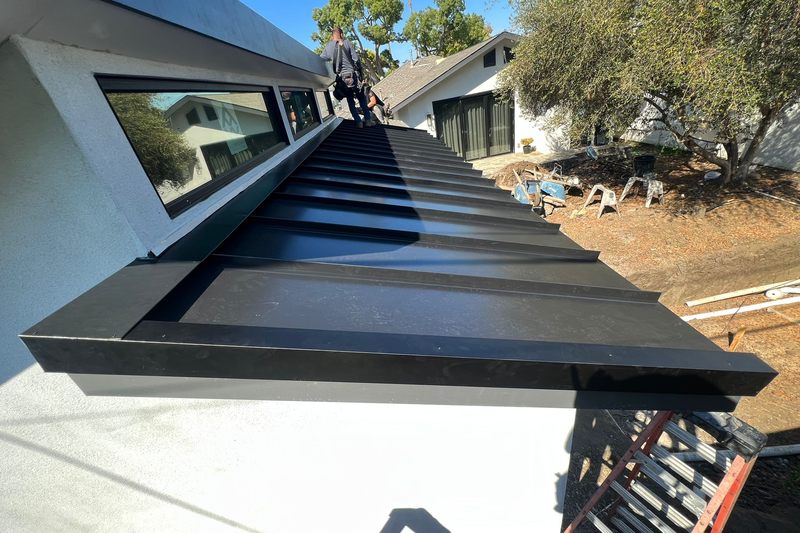
Full roof replacement, Culver City, CA
Full Roof Replacement in Culver City, CA
A full roof replacement rebuilds every layer, starting at the deck. We price each Culver City roof from a written scope covering deck repair, flashing, drainage and materials. Call us for a free estimate, or send your roof details through the form.
We put every part of the job in writing before we order any material. The scope covers the roof areas, the deck allowance, the flashing details and the cleanup plan. Read it closely and mark every choice that could change your price, because a vague scope hides those items.
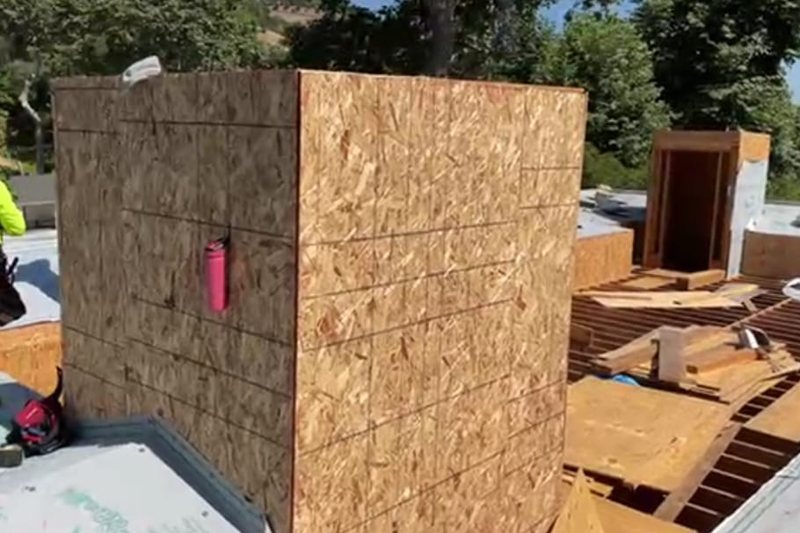
Scope first
Replacement starts with a complete written scope
A written scope turns the price into a list of decisions you can check line by line. It also gives everyone working on your roof a single shared reference once the project begins. Every later question about additional cost returns to that document.
The scope should record the roof measurements, the number of stories and the pitch of each slope. Those details determine the labor hours, the disposal load and the equipment staging plan. They also explain why two similar houses on the same street receive different prices.
Most owners ask about price first, and the written scope is where that answer actually lives. Square footage, stories, pitch, layer count and hidden rot move the number far more than color. We price those drivers instead of quoting a range that collapses once the old roof comes off.
We measure the roof from current aerial imagery, then price each line of the scope. Ask us about any item you do not recognize before you sign anything. A free estimate should still make sense to you a week later.
A free estimate is our price to do the work on your home. A detailed written report for escrow paperwork is a separate paid service. Tell us on the call which one you need.
- Roof areas in the job, and any section the plan leaves out
- Deck repair allowance, and who signs off on work beyond it
- Flashing, edge metal and drainage details at each spot
- Material, color and underlayment choices
- Access, staging and where we place tools during the job
- Who pulls the permit when the work needs one
- Debris handling and daily site cleanup
Existing layers and deck condition change the plan
Older roofs around here often carry more than one layer of roofing material. That layer count, the condition of those layers and the deck underneath shape the next decision. A test opening once work begins settles whether we strip to the deck or install over the existing surface.
Once work starts, we open a section of roof and inspect the sheathing below. Soft spots, water stains and split boards become visible immediately. The written scope already sets our price for sheathing repair.
Layer count matters for weight and fastening, and it changes how the new surface sits. We settle the approach only after we examine what your particular roof already carries. Nobody can answer that question from a photograph alone.
On a tile roof, the underlayment fails long before the tile itself does. We lift the tile in sections, replace the underlayment and any rotted wood, then restack your original tile. Every estimate carries a tile allowance, because a few pieces always break during handling.
Rotted sheathing is the most common change order on a roofing job. We would rather show you the damaged boards ourselves than surprise you with a bigger invoice. So the scope names who approves that additional work from day one.
- Open a test area and check the sheathing below.
- Record the layer count, the nailing and any soft wood.
- Set a per-sheet price for sheathing repair up front.
- Photograph the open deck so the change order matches the roof.
- Agree in writing on who signs off on extra repairs.
Material decisions
Pick the system after we measure the roof
Slope, framing, drainage, and the look you want all narrow the choices. We measure them first, so you can weigh asphalt shingles, tile, metal or a low-slope membrane on equal terms. Each system carries its own underlayment, flashing and edge metal requirements.
A useful proposal explains why a particular system fits your roof, and that reasoning belongs before the number. It should point at slope, drainage paths and the details around chimneys and vents. We would rather talk through those conditions than hand you a generic material list.
Ask us to name the underlayment and the edge metal in the scope. Those layers sit under the finish, and they differ from one system to the next. They also drive how long the top surface lasts.
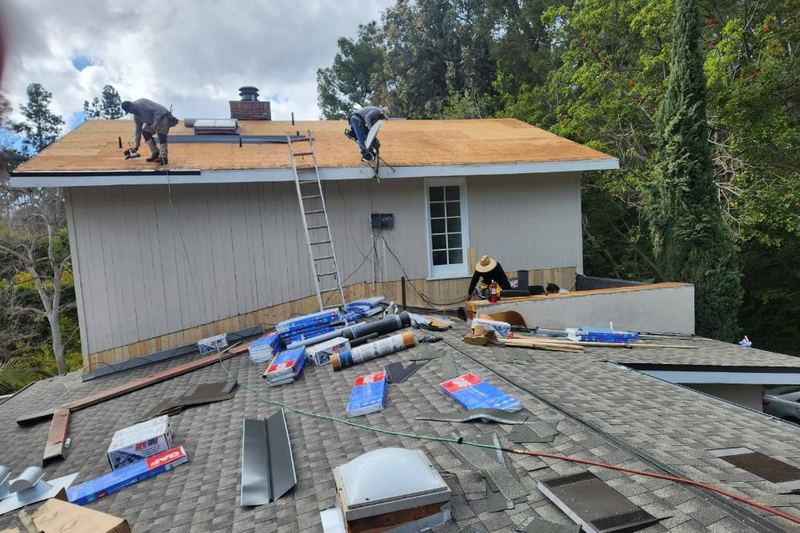
On flat and low-slope areas we usually install torch-down modified bitumen. A bright, reflective cap sheet suits a roof that bakes all summer. Tell us how you use the space underneath, because that changes the recommendation.
Drainage decides more than the material on any low-slope roof. We follow the water from every valley to the edge before we name a system. Standing water will eventually find a weak seam, so appearance alone never drives the layout.
Color and profile matter more than most owners expect. Look at a full-size sample outdoors in daylight before you commit to a material.
- Asphalt shingles for plain sloped roofs, where the underlayment and edge details matter as much as the shingle
- Tile where the roof shape and the home's look call for it, since the underlayment below fails first
- Standing seam or panel metal across long clean runs, where seam and clip layout drives the work
- Membrane systems for flat and low-slope sections
- Matching underlayment and edge metal under the surface you pick
Ask about the permit before we order material
Raise the permit question early, before we order material or schedule a start date. We help property owners pull permits for applicable roof replacement work. Read the City's Building Safety pages, then ask us to record the permit answer in writing beside your scope.
Permit rules change over time, so the City's own pages stay the current source. Open them yourself before you plan a start date. Culver City lists re-roofing among the jobs that need a Building Safety permit.
The City itself decides how any permit application turns out. We gather the roof details that application asks for. We also explain where the City's inspection steps land inside a roofing project.
Culver City Building Safety posts the current rules, and the building permit application shows what it asks for. Start there, then bring the rest of your questions to the call. Material orders and start dates follow the permit answer, not the other way around.
Your address and your job details still decide what applies to your roof. Settle the permit question early, and it will not hold up your start date.
Workmanship warranty for full replacements
Full roof replacements include a 10-year workmanship warranty. The 10-year term applies to workmanship on full roof replacements only. It is not a 10-year warranty for repairs, inspections, emergency visits or roofing materials.
Ask for the written coverage terms before work begins.
Our workmanship warranty covers the work we do. Material coverage comes separately from the manufacturer, under its own terms. Read both documents, because one covers our work and the other covers the product.
Find out which parts of your job the coverage touches before you sign. Get that answer in writing, with the steps for raising a workmanship question later. Ask who takes that call after the job closes.
A future buyer or inspector may ask exactly what went onto your roof. Those documents answer that question years later. If your project is a roof going onto brand-new framing, the paperwork begins with the plan set instead.
When you call, you reach our own team, and we do the roofing work ourselves. We answer scope questions on the phone and give a free estimate.
Send the details in writing when a call is not practical. Include the address, the age of your roof and what you have seen. A call still moves a roof decision faster than a message.
Frequently asked questions
What changes a roof replacement estimate?
Layer count, deck condition, pitch, stories and roof size move a replacement estimate the most. Hidden rot found at a test opening is the usual reason a price changes after work starts. We set a per-sheet sheathing price in the scope so that change is not a surprise.
How do I compare replacement materials?
Compare systems against your own slope, framing and drainage before you compare prices. Ask each proposal to name the underlayment and the edge metal, since those layers differ by system. Then look at a full-size sample outdoors in daylight before you commit.
What should a written replacement scope include?
It should list the roof areas in the job and any section left out. Name the deck repair allowance, the flashing, edge metal and drainage details, and the exact material and underlayment. Access, staging, who pulls the permit, and daily cleanup belong there too.
Local roofing contact
Culver City Roofing Contractors
Culver City Roofing Contractors
Culver City, CA
(424) 672-3864
Open daily from 8 AM to 8 PM.