
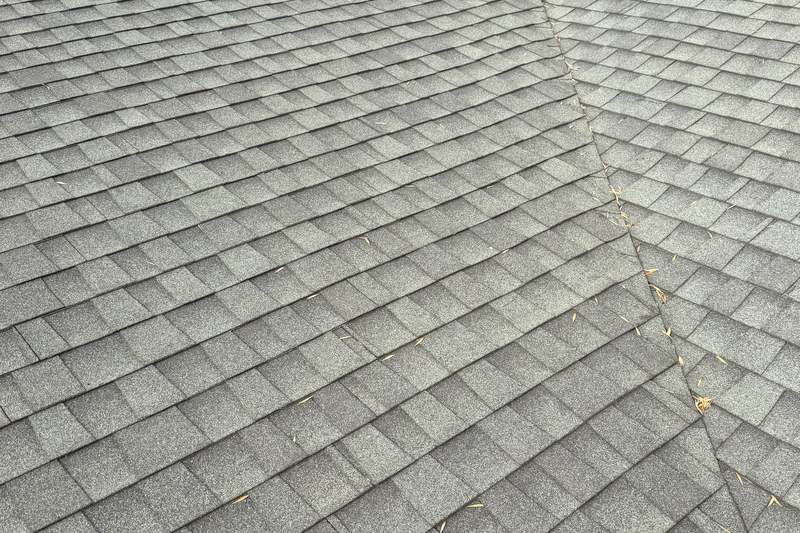
Roof repair in Culver City, CA
Roof Repair and Leak Evaluation in Culver City, CA
Water gets in at the roof and shows up on a ceiling hours or even days later. We identify the leak path first, then decide the repair, then price it. Call us or send the form, and our Culver City roofing team will answer.
The opening usually sits uphill of the stain, often several feet away. Water crosses the failed detail, travels along the decking or framing, then surfaces wherever it can. So note the room with the mark and the weather during that first drip, which point us back uphill.
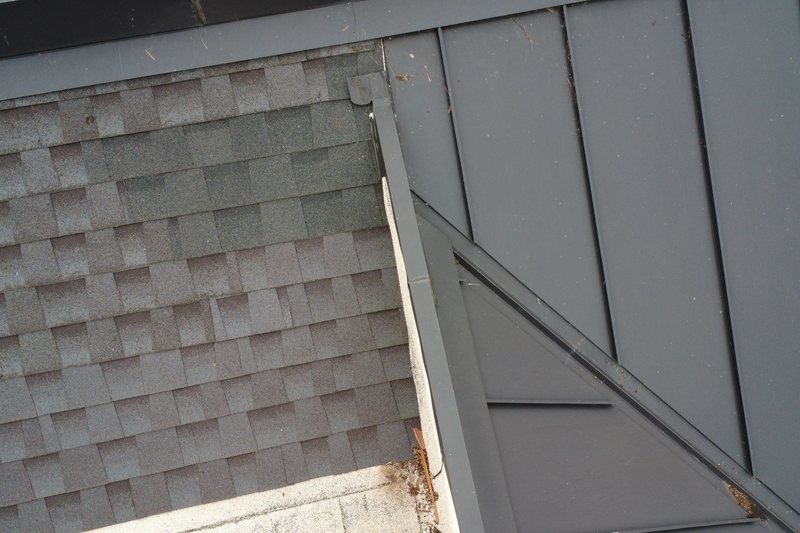
Leak path
Start with where water entered
Timing tells us a great deal about where the water gets in. A leak that appears only during driving rain usually means a wall or window transition. Water that keeps dripping after the rain stops has collected somewhere above the ceiling.
A round stain that expands slowly tells us something different from a fast drip through a light fixture. Photograph the leak while water is still moving through it. Write down the date, the weather, and exactly where you found it.
Most leaks around here appear with the first heavy rainfall after a long, dry summer. The roofing actually failed months earlier, but nothing inside the house revealed it. A small stain at the beginning of the rainy season still deserves immediate attention.
Two stains in two rooms do not always mean two separate leaks. A single opening can feed both when the water follows a rafter. We trace that entire path before we scope any repair.
A leak above a bathroom or kitchen may not involve the roofing at all. Vents, pipes, and the flashing around them occupy that same space. We rule those possibilities out before we quote any roofing work.
- The room, plus where the mark sits on the ceiling or wall
- Whether water appears during rain, after rain, or both
- How long the mark has existed, and whether it expanded
- Whether the drip sits near a wall, a chimney, or a valley
- Any recent work on the roofing, chimney, or rooftop equipment
- Whether the ceiling feels damp and soft, or only stained
Repair scope follows the failed detail
The size of the repair depends on which detail failed and how far the water traveled. Flashing at walls, chimneys, and valleys carries most of the leaks on a pitched roof. Shingle, tile, and flat-roof repairs each need a different method, matched to the surface and the damaged area.
Where a chimney penetrates a slope, shaped metal laps under the roofing and turns up the brickwork. That metal, not the shingle beside it, actually keeps the joint watertight. Most repairs rebuild one of those connections.
Tile repair often means lifting and resetting tile to reach the underlayment below. Asphalt shingle repair replaces the damaged course and the flashing tied to it. On a flat roof, we rebuild the seam or the penetration that opened.
Under tile, the underlayment does the waterproofing, and it wears out decades before the tile does. So a cracked tile is not automatically the leak. We examine the layer underneath before we call the repair finished.
Most low-slope roofs around here use torch-down modified bitumen, and drainage decides how long it lasts. The weak points are the seams, the drains, and every pipe passing through the membrane. A focused repair rebuilds that one detail instead of the whole field.
Wet decking is the most common surprise during a repair. Boards that absorbed water have to come out before we close the roof back up. We show you that condition ourselves before it changes the estimate.
Active leaks and storm damage
Emergency roof repair in Culver City
Call us first when water comes through your roof, because an active leak spreads damage quickly. We tell you on that call what our schedule allows, then plan a visit to locate the leak. While you wait, protect the rooms below and keep everyone off the wet roof surface.
Emergency roof repair starts with locating the exact point where water enters the roof. Water often travels along the decking and shows up on a ceiling far from the actual opening. We trace that path, then repair the flashing, tile, or shingle that admitted the water.
Many calls arrive after the first heavy rainfall, when a slow leak finally reaches the drywall. Wind can also lift a tile or a shingle and expose the underlayment directly to water. We handle both situations, and we explain what the roof needs before any larger work begins.
A temporary cover buys time, but it is never the repair itself. Plastic sheeting or a tarp holds water back while we plan the permanent work. The roof still needs a proper repair once the surface is dry and safe to walk.
Please stay off the roof while it is wet, steep, or storm-damaged, and never climb in strong wind. Move furniture away from the drip, position a container under the water, and lift wet rugs. A ceiling bulge holds trapped water, so please call us before anyone punctures it.
Every roof and every storm is different, so the schedule depends on the day. Our availability changes through the day, and we will tell you exactly where it stands when you call. Tell us what you see, what you hear, and where the water lands inside.
A written record of the roof's condition is a separate paid service. What a documented inspection report covers explains when you need one.
- Move furniture, electronics, and stored boxes out of the wet area first.
- Shut off power to any room where water touches a light or an outlet.
- Keep ladders down and stay off wet, steep, or storm-damaged roof surfaces.
- Write down when the leak started and which rooms the water reached.
- Call us and describe the damage, so we can talk through the next step together.
When damage points beyond a repair
The pattern of leaks over time matters more than any single storm. A repair still makes sense while damage stays local, but a roof opening in new places has moved beyond patching. Ask for both options together, along with the reasoning behind each.
Leaks appearing in several places point to the roofing surface itself. Once they start migrating around the roof, ask us for a full replacement price. That estimate is free, so comparing the two paths costs nothing.
Soft or spongy decking changes the entire project, because the layer beneath the roofing absorbed water. We examine that layer before anyone discusses a new surface. New roofing over wet boards will simply fail again, because the fasteners never hold properly.
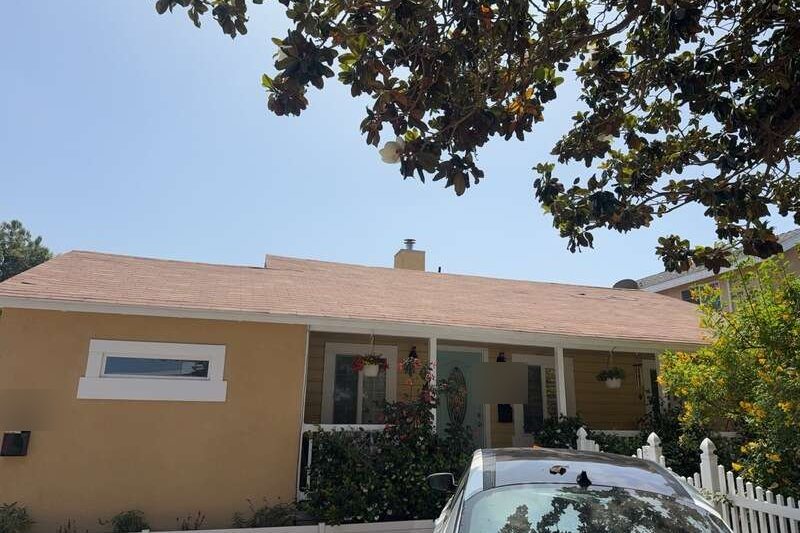
Replacement work raises permit questions that a simple repair usually avoids. We help property owners pull permits for applicable work. Check Culver City Building Safety for the requirements that apply to your particular project.
Age by itself does not settle the replacement decision. An asphalt roof losing granules across the whole field is near the end of its service life. We apply the same reasoning across an entire house roof, not just the section that leaked.
Repair and replacement are not a single either-or decision. You can repair now and plan the replacement for a drier month. We will price both, so the choice stays yours.
- Leaks keep reappearing in more than one area of the same roof.
- Cracking, curling, or exposed patches spread across the roofing field.
- Granules from the shingle surface collect in the gutter after rain.
- Daylight or damp insulation shows in the attic under the roof deck.
- A roof or ceiling area feels spongy when pressed.
Frequently asked questions
Can you repair just part of a roof?
Yes, when the damage stays in one detail and the water has not traveled far. Most pitched-roof repairs rebuild a flashing joint at a wall, chimney or valley. We match the method to the surface, since shingle, tile and flat roofs each repair differently.
What information should I share when I call about a roof repair?
Give us the property address, the number of stories and the roofing material first. Then say which room shows the stain, when it started and what the weather was doing. Mention any recent work on the roof, chimney or rooftop equipment.
What should I do while an active roof leak is happening?
Move furniture and electronics clear, then put a container under the drip. Shut off power to any room where water touches a light or an outlet. Stay off a wet or storm-damaged roof, and call us before anyone punctures a bulging ceiling.
Local roofing contact
Culver City Roofing Contractors
Culver City Roofing Contractors
Culver City, CA
(424) 672-3864
Open daily from 8 AM to 8 PM.