
Culver City roof care
Culver City Roof Maintenance Checklist: What to Look For From the Ground
You can learn a lot about your roof without ever leaving the ground. This list runs through the covering, flashing, seams, debris, drainage, ponding, and interior water signs. Stay off the roof, and tell our roof repair team what you noticed.
(424) 672-3864Good roof care starts with your feet on the ground. Walk the full perimeter of the building and look up at every slope. A phone camera or a pair of binoculars will bring the details close enough.
Start safely from the ground and inside
Please stay off the roof itself. A wet, steep, fragile, or damaged surface can give way without warning. We climb with the right equipment, so leave that part to us.
Your attic or top floor matters as much as the exterior. Look for daylight, damp insulation, or a musty smell after rain. Note what you find and the date you found it.
Culver City sits in Los Angeles County, California, where most rain arrives in one narrow winter window. Small problems can hide through a dry summer and then appear all at once.
Safe visible-condition roof check
Work through this safe visible-condition check before the first storm.
- Covering: bald patches, curled or cracked pieces, gaps in a course, slipped or missing tile
- Flashing: rust, lifted edges, and open joints at walls, chimneys, and valleys
- Seams: open laps, blisters, or worn granules on a flat or low slope roof
- Debris: leaves, seed pods, and grit in valleys, behind chimneys, and along parapets
- Drainage: scuppers, drains, and downspouts running freely during rain
- Ponding: water still standing on a low slope roof long after rain stops
- Interior: ceiling rings, brown edges, bubbling paint, or sagging drywall
- Attic: daylight, damp or matted insulation, and a musty smell
- Safety: no roof walking, especially on a wet, steep, fragile, or damaged surface
Where a checklist finding goes next
This table shows where each kind of finding goes next.
| What you noticed | Where it goes next |
|---|---|
| Active water, a fresh leak, or visible damage | Roof repair |
| A written condition report for escrow or an insurer | Roof inspection, a separate paid service |
| A decision about a full re-roof | Roof replacement |
| General Culver City roofing questions | Culver City Roofing Contractors home page |
Check the covering, flashing, and seams
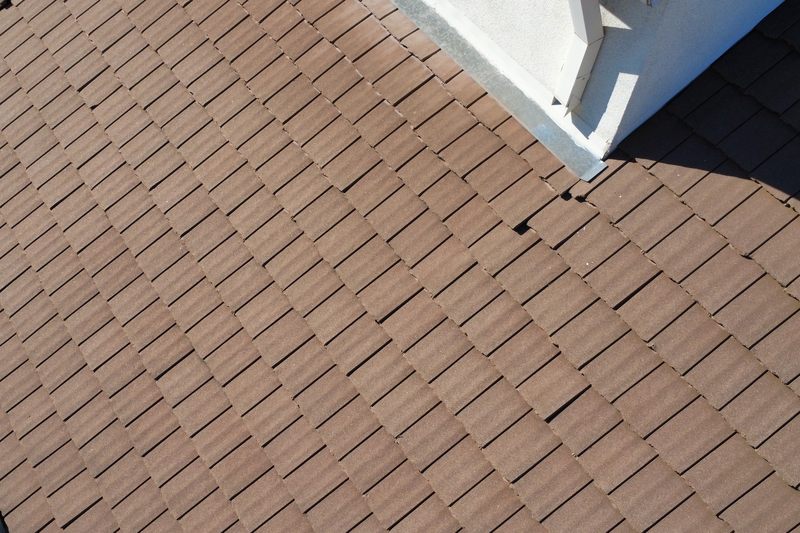
The covering takes the weather first, so it shows wear before anything else does. On a shingle roof, worn spots and lifted edges mean the surface has stopped shedding water evenly. On a tile roof, a broken or slipped piece leaves the layer underneath exposed to sun and rain.
Flashing is the metal that seals where the roof meets a wall, a chimney, or a valley. Those joints move and rust, so many leaks begin there rather than in the middle of a slope. Damage there means water has found a path the roof was never built to offer.
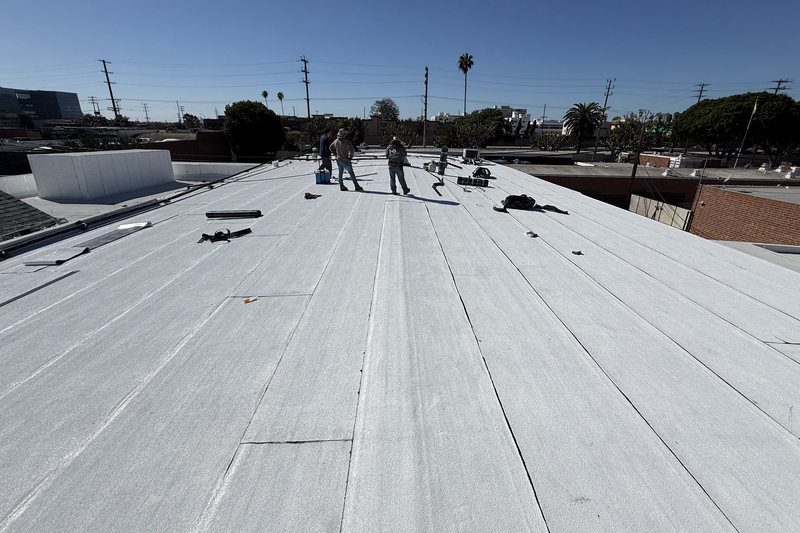
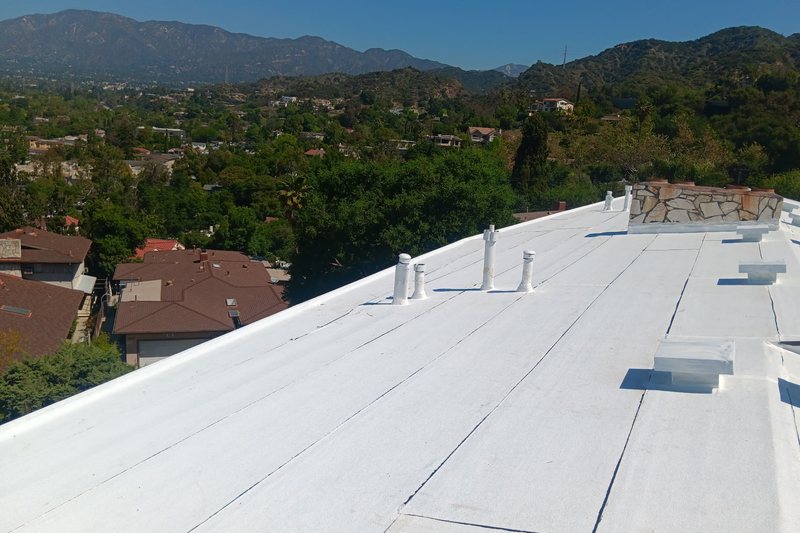
On a flat or low slope roof, the seams and the cap sheet carry the water. The granulated cap sheet forms the top layer, so wear there means the waterproofing itself is thinning. Stay on the ground and look at edges, curbs, and vent details from wherever you can stand safely.
What you can see tells us where to start looking. We cannot name a cause from a distance. Describe what you noticed, and we will look at the roof itself.
Debris, drainage, and ponding checks
Water needs a clear path off the roof and away from the walls. Debris marks the spot where the water has already slowed down. Water that sits has time to find a weak point.
Outlets tell you the most while it is actually raining. A dry downspout beside a busy one usually points to a blockage somewhere upstream. The water still leaves the roof, just not where the design intended.
Ponding is water that stays on a low slope roof long after the rain stops. How long it lingers tells you more than how wide it looks. A blocked drain often stays hidden until the next storm.
Clearing debris is ordinary care, not a cure. It keeps water moving, which is what a roof needs most.
- Valleys and low corners where debris settles first
- Outlets, scuppers, and downspouts during a real rain
- Low spots that hold water long after the sky clears
Read the interior water signs
Interior signs often appear before anything looks wrong outside. A dried ring means the wetting already happened at least once. Bubbling paint or sagging drywall means water got past the surface and stayed.
Use your nose as well as your eyes. A musty smell points to wetting that repeats, not to one storm that got in. Insulation that stays damp has been holding water long enough to lose its loft.
Active water changes what you should do next. If water drips during rain, move your belongings, catch the water, and call us. Do not wait for the ceiling to dry and assume the problem went away.
A stain will not tell you where the water entered. Water travels along framing and can surface far from the opening.
- Ceilings and upper walls, especially near exterior corners
- Closets, attic hatches, and the top of stairwells
- Insulation that feels damp, flat, or matted
Why roof service life varies so much
Owners often ask how long a roof should last. Service life depends on the material, the assembly, and the quality of the installation. Exposure, ventilation, drainage, and upkeep move that number in either direction.
No single published number covers all of that. Two homes on the same street can wear at very different rates. So we will not quote a lifespan that ignores your own roof.
The product you pick matters too, and labels can mislead. Federal cool roof purchasing guidance explains how those ratings compare across products. A color label alone does not prove how a whole roof system will perform.
Underlayment is the waterproof layer under the tile, and many owners forget it. On a tile roof it usually fails decades before the tile does.
When a finding belongs with our roof repair team
A checklist helps you notice things, but it does not diagnose them. Active water, visible damage, or an unexplained mark becomes a repair question. Call our roof repair team and describe exactly what you saw.
Some findings call for paperwork rather than a fix. Buyers in escrow and insurers often want a written condition report, and our roof inspection service handles that. The report is a paid service, so it stays separate from a free estimate.
If you are weighing a full re-roof, read what a full roof replacement involves before you decide. If you are unsure which one you need, our Culver City roofing services page covers them all. Either way, tell us what your checklist turned up.
We work with homeowners and property managers across Culver City and nearby Los Angeles County. Ask for a free estimate once the roof needs real work.
Frequently asked questions
What roof conditions can I check without walking on the roof?
From the ground you can check the covering for bald, curled, cracked, or missing pieces. You can also look at flashing, seams, valley debris, and whether downspouts run during rain. Inside, check for ceiling stains, damp insulation, or a musty smell, and stay off the roof.
How long should a roof last in Culver City?
Service life varies too much for one number to fit every roof. It depends on the material, the assembly, the installation, and the exposure. Ventilation, drainage, and steady upkeep shift it further, so your roof needs its own look.
When should a checklist finding go to roof repair?
Call us whenever you see active water, fresh damage, or something you cannot explain. A stain can surface far from the actual opening, so a guess from your description can miss it. Describe what you saw and when, and let us trace the cause at the roof.